AI in Indian Cinema: Opportunities and Challenges
Wednesday, 2025/12/31250 words4 minutes2446 reads
The Indian film industry, renowned for its prolific output and cultural significance, is experiencing a paradigm shift with the integration of artificial intelligence. This technological revolution is reshaping various aspects of filmmaking, from pre-production to post-production, offering unprecedented opportunities while simultaneously raising complex ethical and artistic dilemmas.
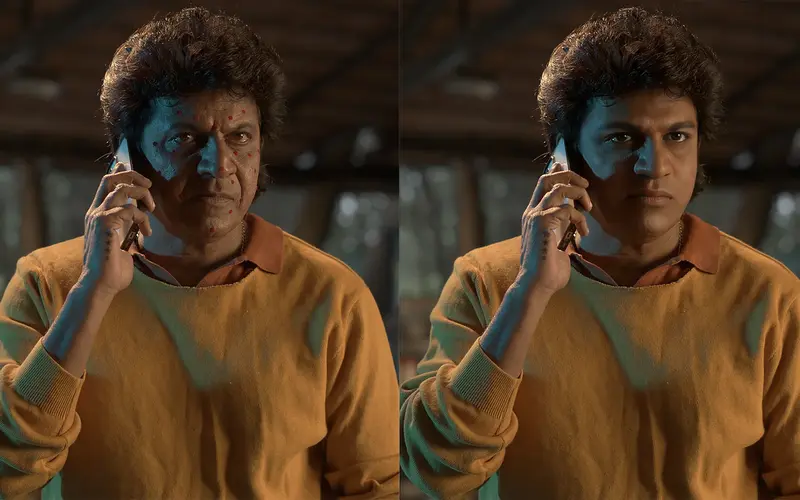
Filmmakers across India's diverse cinematic landscape are leveraging AI to overcome budgetary constraints, streamline production processes, and push creative boundaries. From AI-generated visuals and screenplays to de-aging technology and voice cloning, the applications are multifaceted and rapidly evolving. This democratization of filmmaking tools has empowered emerging directors and opened new avenues for storytelling.
However, the wholesale adoption of AI in Indian cinema is not without its detractors. Critics argue that AI lacks the nuanced understanding of cultural contexts and emotional depth that are hallmarks of human creativity. The technology's limitations in grasping regional aesthetics and linguistic subtleties have been noted by several directors, necessitating significant human intervention to achieve desired results.
Moreover, the integration of AI has sparked debates about intellectual property rights, the potential exploitation of actors' likenesses, and the impact on employment within the industry. The absence of comprehensive legislation addressing AI's role in creative industries further complicates these issues.
As Indian cinema continues to navigate this technological frontier, the challenge lies in harnessing AI's potential while preserving the human essence of storytelling and addressing the ethical implications of its use. The ongoing dialogue between innovation and tradition will likely shape the future of Indian filmmaking in profound and unforeseen ways.