Tracking Animal Panic from Space
Friday, 2026/05/29148 words2 minutes3213 reads
After decades of development, a new satellite system called Icarus is revolutionizing wildlife protection. Scientists can now track animal behavior from space to detect poachers in real time.
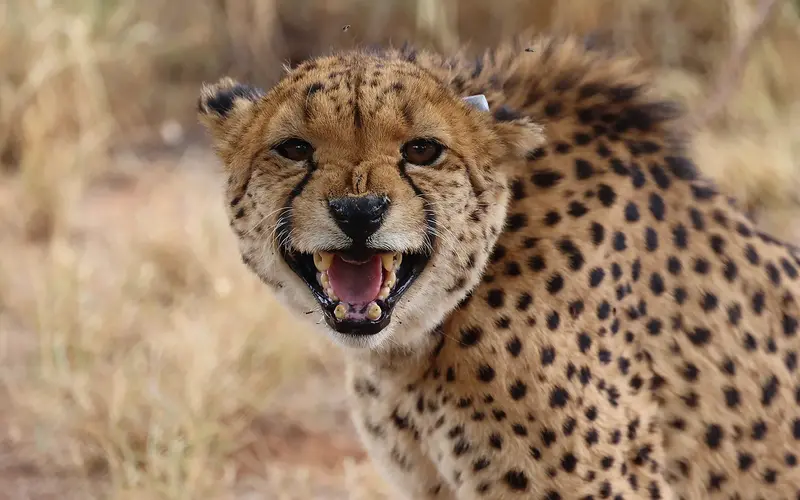
In Namibia's Okambara reserve, researchers conducted experiments by simulating hunting scenarios. When they fired rifles, animals like zebras and wildebeest scattered in distinctive patterns, while giraffes remained calm. These reactions were captured by drones and GPS tags that animals wear on their ears.
The tags are tiny electronic devices that monitor location, movement, and even heart rate. They send data to satellites or ground receivers. When animals behave unusually or panic together, it signals that poachers might be nearby. Rangers can then respond quickly to protect endangered species like rhinos, which have been heavily targeted by illegal hunters in South Africa.
This technology represents a major breakthrough in conservation, turning ordinary animals into sentinels that protect their more vulnerable neighbors.