Spain Revives 'Goat-Cows' to Help Prevent Wildfires
Friday, 2026/07/31179 words3 minutes2175 reads
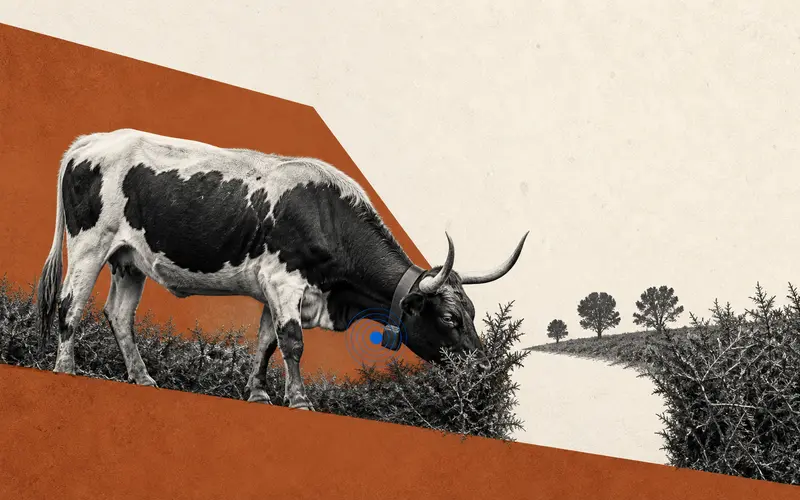
Communities in Galicia, northwestern Spain, are reviving native livestock breeds to reduce wildfire risks. The Cachena, the smallest cow breed on the Iberian Peninsula, is nicknamed "goat-cow" because it eats various plants and navigates steep terrain that larger cows cannot access.
These animals graze on shrubs like brambles, gorse and broom—plants that burn intensely and help fires spread from the ground to tree canopies. By controlling undergrowth levels, the livestock reduce flammable material while preserving some vegetation.
After a devastating 2017 fire in Vincios parish, community land associations returned to traditional fire prevention methods by breeding native goats, sheep and Cachena cows. Regional data shows native livestock numbers jumped from just over 1,800 in the late 1990s to more than 30,000 by early 2026. Cachena cows increased from about 400 to roughly 8,000.
The regional government provided incentives for farmers to maintain young female cows, while a zoological centre offered low-cost bulls. GPS collars allow the cows to roam freely without traditional fencing. Experts emphasize that grazing should complement other fire management techniques like thinning, pruning and controlled burning.