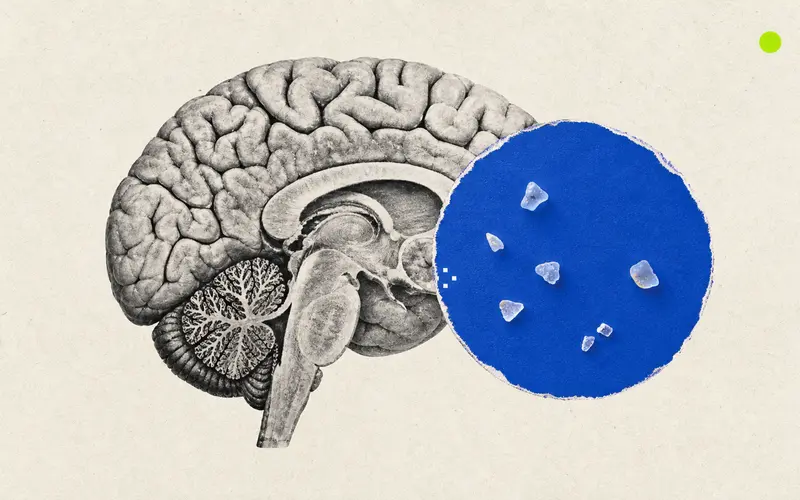
Microplastics Detected in Human Brain-Tissue Samples
Wednesday, 2026/08/05130 words2 minutes1250 reads
A Nature Medicine study examined human tissue samples collected after death. Researchers used several laboratory methods to look for microplastics and even smaller nanoplastics in the brain, liver and kidneys.
They detected plastic particles in all three organs. The brain samples in this study had higher concentrations than the liver and kidney samples. The most common material was polyethylene, a widely used type of plastic. The instruments identified chemical signs from different kinds of plastic. The researchers checked samples from different years and different organs.
The study compared samples collected in 2016 and 2024 and reported higher concentrations in the later brain and liver samples. But it cannot show how the particles entered the body or whether they cause illness. Researchers say larger studies and better testing methods are needed.