How Stamps and Postcards Helped India Count Its People
Wednesday, 2026/06/03169 words3 minutes3277 reads
India is preparing for its 16th census, a massive exercise to count over a billion people. Before smartphones existed, India relied on its postal network to encourage citizens to participate in this important national project.
After independence in 1947, India urgently needed accurate population data for elections and economic planning. However, the government faced challenges: how to persuade people to trust the census, and how to communicate across a vast, largely rural country.
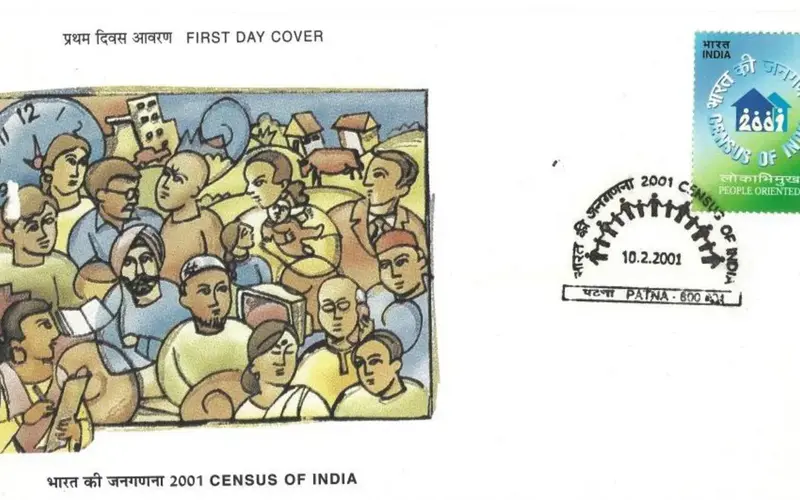
The postal system became the solution. By 1968, over 100,000 post offices were delivering mail to villages across India. Special postmarks and stamps carried census messages. In 1951, letters featured a pictorial postmark showing a family with "Census of India" written in Hindi and English.
The messaging evolved over decades. By 2001, postcards described the census as a "Mirror of the nation" and urged people to share information "without hesitation." Today's census will be digital, using mobile apps instead of postal mail, but the core challenge remains: building trust so people willingly participate in counting themselves.