Coping with Peak Cypress and Willow Pollen Across Cities
Monday, 2026/03/23187 words3 minutes1770 reads
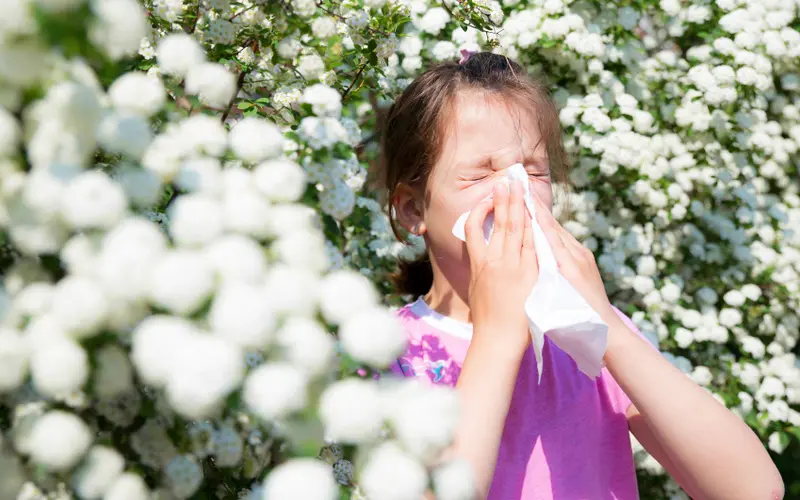
As spring arrives in Chinese cities, a familiar problem returns: pollen allergies. While the warm weather and budding trees signal the season's arrival, many residents experience sneezing, itchy eyes, and nasal discomfort. The main culprits are cypress and willow trees, which release large amounts of pollen into the air.
According to health experts, pollen allergies are essentially an overreaction of the immune system to harmless substances. Young and middle-aged adults are particularly affected because their immune systems are more reactive and they spend more time outdoors. The symptoms can last for weeks during peak pollen season, typically from late March to early April.
Experts recommend several protective measures. People should avoid outdoor activities when pollen levels are high, wear masks, and use air purifiers indoors. Maintaining good sleep, a balanced diet, and regular exercise can also strengthen immunity and reduce allergy risks.
Cities are taking action too. Beijing has developed a pollen fixation agent that helps pollen settle faster, proving 17 to 20 times more effective than traditional water spraying. Additionally, urban planners are replacing high-pollen male cypress trees with female varieties that don't produce airborne pollen.