Blood Ties and Opportunity: Players Representing Adopted Nations
Thursday, 2026/06/25155 words2 minutes1428 reads
The 2026 FIFA World Cup has witnessed an unprecedented phenomenon: nearly a quarter of participating players are representing countries they were not born in. This marks the highest proportion in the tournament's history.
Morocco set a remarkable record during their match against Brazil on June 13, when for 25 minutes, not a single player on the pitch had been born in Morocco. This reflects a broader trend in international football.
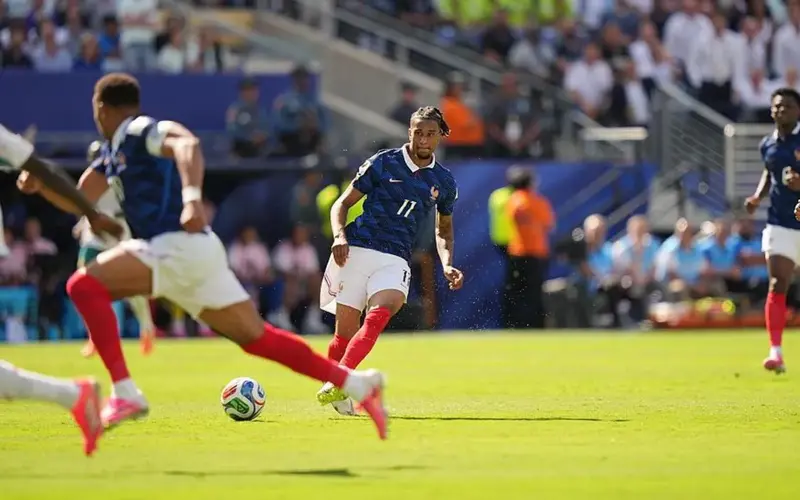
The reasons behind these choices vary widely. Some players, like London-born Michael Olise, choose to represent their parents' homeland. Others, such as Antonee Robinson, qualify through family connections despite being raised elsewhere. Professional opportunities also play a significant role, as players seek better chances to compete at the highest level.
FIFA's eligibility rules have evolved over time. Since 2004, players can represent one country at youth level and switch to another at senior level, provided they have a clear connection through birth, ancestry, or residency.